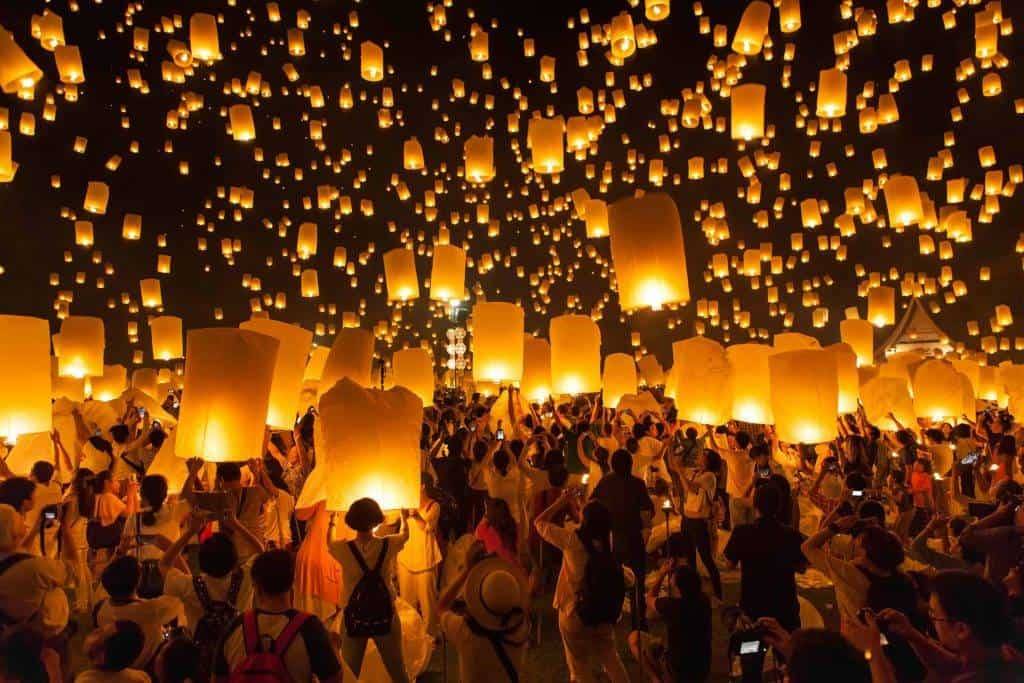
The concept of Festivation is a idea that captures the spirit of delight, togetherness, and festivity found in celebrations around the globe. These vibrant festivities are not just mere occasions; they are a collage of cultures intertwined together through common customs, heritage, and collective memories. As individuals come together to honor, they engage in activities that improve their existence and nurture a feeling of belonging within their communities.
From the colorful parades of heritage festivals to the intimate gatherings that celebrate significant milestone events, the rituals associated with this concept serve as a link between ages and a means of protecting cultural heritage identity. As we delve into the core of these celebrations, we reveal the mysteries of how they shape our existence, nurture our souls, and enrich our understanding of the diverse cultures that inhabit our planet. Whether it is through music, movement, food, or storytelling, each festival offers a unique lens into the heart of its culture, welcoming us to partake in the happiness and meaning they convey.
A Meaning of Festivals
Festivals hold a key position in societies throughout the globe, serving as a bridge that connects people to their heritage. They serve not only as joyous events but also as crucial expressions of a society's character and principles. Through colorful celebrations rich with melodies, dance, and creativity, these events showcase the diverse mosaic of customs that define a society. Each festival, unique in its traditions and meaning, enriches the lives of those who take part, fostering a feeling of community and continuity across generations.
Furthermore, celebrations are vital for social unity. They provide a platform for people to come together, celebrating both shared beliefs and diversity. This community atmosphere fosters connections and encourages collaboration among various groups, bolstering societal bonds. The act of gathering to celebrate shared heritage creates a feeling of unity, allowing community members to relate beyond their everyday lives. In this way, these gatherings play a critical role in encouraging acceptance and cooperation within diverse communities.
In addition to supporting cultural heritage and social ties, festivals contribute to the economy and local progress. They attract visitors, stimulate tourism, and provide opportunities for local craftspeople and vendors. Such events can showcase a region's distinct flavors, handicrafts, and arts, creating a vibrant environment and boosting local economies. Aside from their economic effects, these festivities also elevate the visibility of cultural practices, inviting people to explore and value the varied expressions of humanity that are found in our society.
Cultural Practices and The Influence
Cultural rituals play a key role in defining the identity and cohesion of communities. These traditions often center around celebrations, where customs are celebrated and passed down through generations. By taking part in these events, individuals strengthen their bonds to their heritage and to each other, cultivating a sense of belonging and shared purpose within their cultures. The atmosphere during these occasions is filled with joy, allowing participants to express their collective values and convictions.
The impact of cultural festivals extends beyond mere celebration; they serve as a channel for cultural exchange and understanding. As diverse groups come together, they share narratives, cuisines, and customs that enrich the overall experience. This exchange not only encourages respect for different cultures but also acts as a platform for dialogue and learning. Festivals like Diwali, Carnival, and the Beer Festival exemplify how cultural rituals can bridge gaps between individuals, facilitating newfound relationships and appreciation for diversity.
Moreover, the economic benefits of cultural festivals cannot be overlooked. They attract tourists, generating income for local businesses and providing opportunities for artisans and performers to exhibit their talents. Besides economic stimulation, these events also highlight the importance of preserving traditional arts and crafts, ensuring that future generations can appreciate and engage in their cultural legacies. In this way, cultural rituals impact not just individual lives, but also the broader community, creating a rich tapestry of shared experiences and values.
Commemorating Variety Through Festivals
Cultural celebrations serve as a vibrant reflection of the diverse mosaic of cultures that compose our world. Every celebration is a singular demonstration of shared identity, encompassing traditions, philosophies, and values that have been handed down through time. By taking part in multiple festivals, individuals gain insight into the heritages and traditions of various cultures, fostering a deeper appreciation and respect of the human experience.
When nations and communities unite to celebrate their festivals, they create chances for communication and relationship spanning cultural boundaries. These gatherings often feature heritage music, dance, food, and art, allowing participants to immerse themselves in the customs of different groups. This engagement not only celebrates the original culture but also inspires cultural exchanges that enrich participants' lives and support a spirit of global community.
Moreover, festivation encourages acceptance and understanding, showcasing the beauty found in our uniqueness. By recognizing and celebrating the special aspects of different cultures, individuals can cultivate compassion and tolerance for each other. This spirit of togetherness through multiculturalism is essential in preserving cohesion in an ever more multinational society, noting us that even though our practices may vary, our shared humanity binds us all together.